

It’s noon and the sun is sinking its warmth through the threads of my shirt. Or maybe that’s just the bead of sweat I feel between my shoulder blades. I have retreated into the cool of the shade, and the temperature difference beneath these pines is staggering. Everything is so still, there isn’t even a breeze to kiss the surface of the river I am sitting next to. I am hiding behind some brush near the bank, and I can see fish dart between the tufts of grass patches on the riverbed. The blades of grass sway lazily with the current and are only disturbed momentarily by the swish of a tail or surge of red and gold making a dash for the next hiding place.
I take a breath and look down at the fly rod in my hand. My fingers wrapped gingerly around the cork. My palms are sweating from the heat. The only sound is the river and the occasional grasshopper. I take stock of my chances at catching these fish. I have a 9ft tapered 5x leader on. A fly that is meant to imitate an ant tied to the end of the gossamer line. It’s a size 16 and one of the smallest things I have in my box. There are dead trees in the water here, so it’s not unreasonable that an ant would be floating in the water. My gut and my experiences thus far today tell me that I should go smaller, but I don’t have anything smaller, so this will have to do.
I watch this small creature of red and gold dart once more between the swaying green locks of the river. I guess I have to at least try. I envision my cast, and where I want it to land. I don’t know if I can mend the way I might need to in order to accomplish this, but I’ll try. I tell myself not to make too many false casts. The more false casts I make, the more likely I am to mess things up. I’ll cast and drop it. Mend. And see if the fish reacts the way I want it to. I take a deep breath and feel that bead of sweat roll down between my shoulder blades and become absorbed by my shirt. One false cast, and I drop it. I pick up my fly line and drop it in a mend. The fly isn’t disturbed as it floats its way on the surface of the water. It’s little rubber legs sitting on the surface tension like an acrobat on a trapeze. My chest burns with the breath I’m holding – as if any movement from breathing might break that delicate tension. I hold my rod and follow the fly as it drifts in the lane of the fish I saw in the grass. And my heart skips a beat when I see a nose poke out from the green tresses on the riverbed. It’s hesitant, but it looked. I let the fly drift by and away.
There’s a rush in my ears now as my heart pumps a little faster. One more drift. This is going to be the one. One false cast, and I drop it. I pick up my fly line and drop it in a mend. Once again, the fly is perched perfectly. It’s rubber legs and hackle meeting the molecules on the surface of the water and crowd surfing them. I imagine each molecule is cheering as they carry this tiny fly to its destination. A nose peaks out from the waves of green on the riverbed. My chest burns from the breath caught in my throat. It hesitates for a moment, and a bead of sweat gathers at my hairline. I blink, and the streak of gold and red disappears into a downstream logjam. The breath I was holding escapes in a laugh because I feel like there’s literally nothing else I can do at this point.

I have done a lot of fishing in my life guided by other people. In fact, most of the fishing I have done in my life has been guided by other people. This trip to West Yellowstone was a lot of firsts. Among them, was the first time I would be on my own after someone pointed me in a direction and said “good luck.” I have always had someone standing next to me giving me direction or instruction on targeting a fish, and this trip didn’t have much of that. All I had was the voices in my head telling me not to spook the fish and for the love-of-god don’t beat up the water with your casts. For some reason all of these voices stressed me out more than actually having someone there verbalizing these things. What made me even more stressed was the fact that I didn’t spook fish or beat up the water, and I still wasn’t able to catch the fish I was targeting. My only consolation was that when I finally made it back to my car and re-joined everyone else who was also fishing this river, they had similar if not exactly the same story as me. Denials and super spooky fish. Okay – so it’s not just me that’s having a hard time. I’m not as incompetent as I feel. Maybe some food and water will make this better.
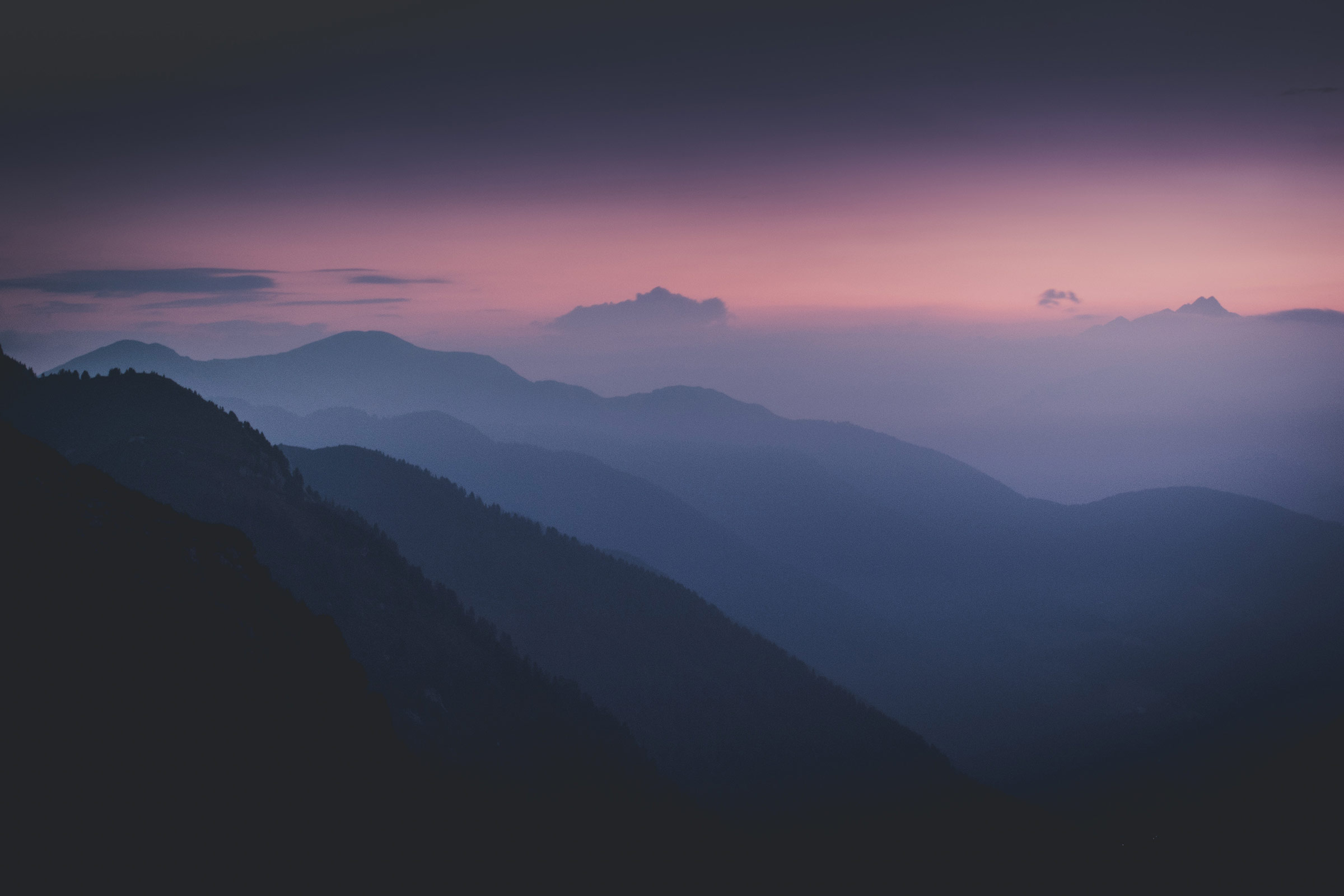
Our group is fishing a stretch of the Gibbon river in Yellowstone National Park and it’s everything I remember about being in Yellowstone. There’s traffic jams for Elk butts, a whole standstill for bison herds, and untouched wilderness and prairie as far as the eye can see. The geothermal features are as awe inspiring as I remember them from my childhood trips here, and the crowds at the visitors center are still mildly annoying. From my memories of this place, I am constantly flipping back and forth between how this place looks now, at the end of the heat of the summer, to what it looks like in December – the last time I toured the park on a snowmachine. I decide to myself that I love this place more in the winter with less crowds, more dramatic geothermal, and the white expanse of sparkling chill that wraps everything in its quiet embrace.
I eat the first of my sandwiches that I made this morning, and listen to the chatter of my fishing group. I definitely needed food. I feel a little less dejected now. Despite the heat, it’s a beautiful day. And there’s something about being surrounded by good-nature people who have the same level of obsession about a thing as you do. It’s electric. Especially when everyone is just as in awe of this place as you are. Especially if the fishing is hard.

Our group decides to fish one more place on the Yellowstone River before calling it a day. I finish the coconut water I brought in the little bait bucket I am currently using as an ice chest, crack open my redbull, and jump in the driver’s seat of my rental car. My new bestie squeezes in the passenger seat underneath the rods we’re storing, and we’re off. Next time I need to bring a magnetized rod holder for the rental car, I think, as we chat about past fishing adventures and geek out on pictures of fish. We make it to the spot on the Yellowstone River in no time and take the short trek down the trail to the river. This is it. I’m going to do it. Then I get to the riverbank and survey what I’m working with.
It’s a wide expanse of river. Thigh-deep and tumbling in a long curved line to the horizon. I look for obvious holding water. There’s not much that stands out immediately, so I decide to pick out the micro-eddies and smaller pieces of holding water in the wide expanse of this stretch I have to work with. I make my way down the bank on the trail that weaves behind trees and boulders. I’ll start downstream and work my way up. I tie on a caddis to start with, but quickly realize the current is just too fast. I switch to a wolly bugger. I pick apart micro-sections to target and eventually, I step into the rushing water that’s about knee deep. I have a pretty good stance, and I try not to make too much noise. Try not to move around so much – the voice in my head tells me. Make your casts count – it says on repeat. I take a deep breath, wiggle out the tension in my shoulders, and cast. One false cast, and drop it right where I want the fly to be for its swim. I mend downstream for the swing. I picture the fly darting and fumbling through the water. The fly line in my fingers, I make little erratic strips with my fingers, trying to make it dance through the current. I can’t see it, but I picture it in my mind. I make it to the end of my swing and wait, a few little strips, then a recast. A slightly different place this time, so I can cover each piece of this micro-run.
Nothing.
I study the topography of the bottom of the river, the depth, the speed of the water, the distance between myself and the other side of the riverbank. I take a few more steps out into the current. The water level is still at my knees. You know exactly what I’m thinking. I could probably make it to the other side. Just keep moving your feet. Do the bouncy river shuffle and you’ll be fine. I look back upstream to the group I’m fishing with. If I make it over, I’ll have to make it back. There’s no roads or access points over there. I’d be wholly and completely on my own. And while I have all of the stuff to be self sufficient, I probably shouldn’t. My fingers nimbly unzip the front pocket of my waders and pull out my phone. Clicking the power button to make the screen light up. It’s 45 minutes past the top of the hour. There’s 20 more minutes until our meet-back-up-time at the vehicles. I definitely shouldn’t cross the river right now.
This place is kicking my butt. I appreciate it, and I hate it. And I remind myself that this is what growing as a person and an angler feels like.

You must be logged in to post a comment.