

I looked down the carpeted stairs to the padded basement floor littered with camping gear, dry bags, and fishing gear. It was an organized mess of things waiting to be put together and weighed. It was the compilation of three years of planning, saving, strategically buying, and logistics. It felt surreal and terrifying and exhilarating.
This was not an adventure I had dreamed of or researched. I place that crown entirely and proudly on Wesley. Bella and I were enthusiastically along for the ride.
History

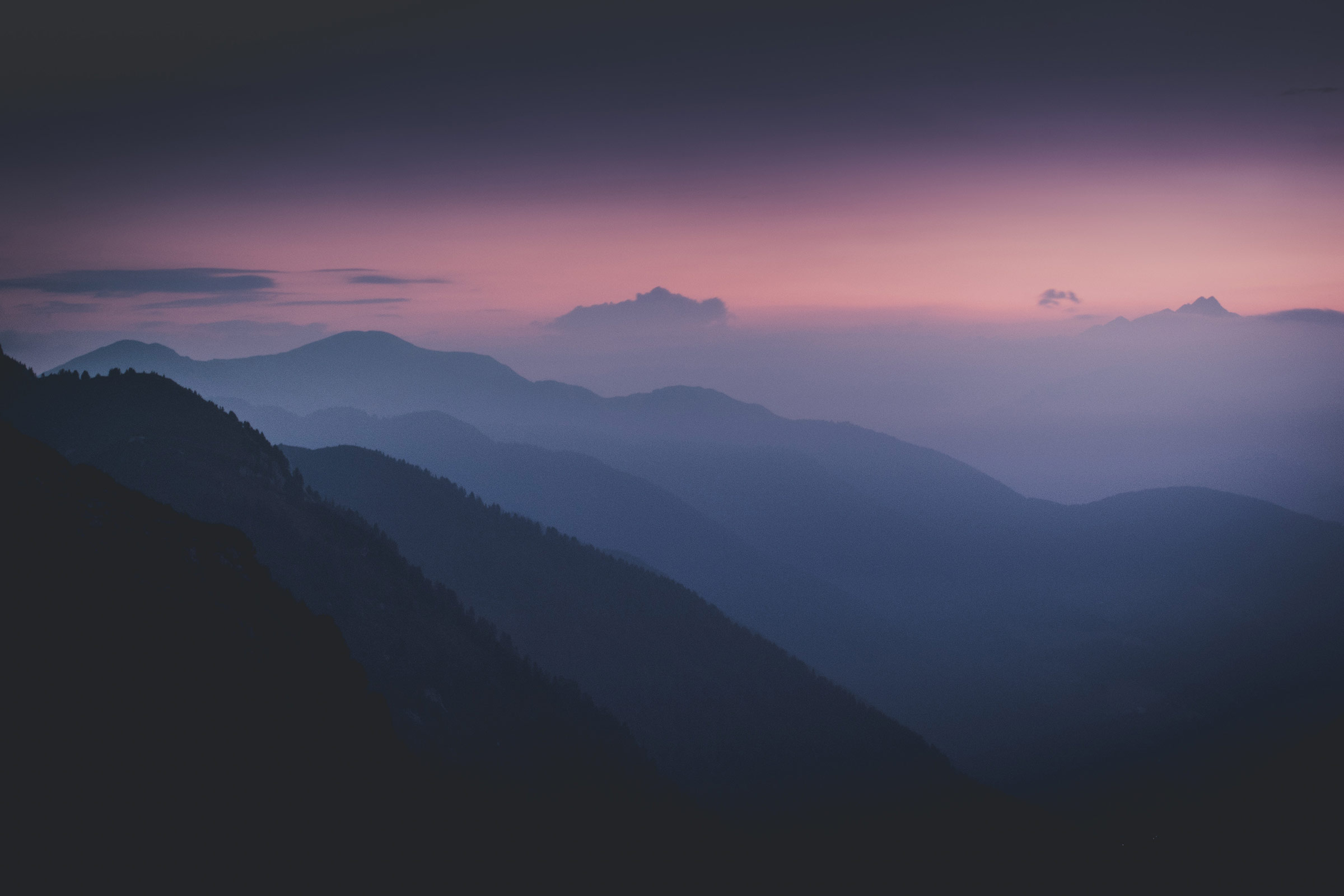
The Kisaralik River is located on the north west side of Wood-Tikchick State Park north of Dillingham, Alaska. Its headwaters are Kisaralik Lake and its various surrounding peaks. The river itself is one of several drainages in the Kuskokwim River Basin which eventually finds its way to the Bearing Sea via Bristol Bay. The Kuskokwim itself originates from the North West end of the Alaska Range and Kuskokwim Mountains. It is the second largest drainage in the state of Alaska – the biggest being the Yukon.
It’s difficult to understand the vastness of Alaska without being in or experiencing the land for yourself. Looking at a map helps, but nothing compares to actually being in her presence.
The Kuskokwim watershed has a rich and deep history rooted in the people who have lived with the land for thousands of years. This includes people of the Yup’ik and Cup’ik cultures and 33 federally-recognized tribes of the region. Like their ancient culture, the current, alive, and practicing culture of the region is still based on subsistence from the land including hunting, fishing, and gathering. This strong subsistence culture is something to be acknowledged, celebrated, and respected – especially when it comes to being a visitor in this land.
Sport-fishing, even with its advocacy for conservation, restoration, and sustainability, is a western, white, and privileged concept. Entering a space like the Kuskokwim watershed and culture will make this distinction very clear. What visitors do with this knowledge is ultimately up to them, but it is important to recognize the distinction between subsistence culture and sport-fishing culture as two vastly different spheres of being in the wilderness.
Coordinating

Getting six people together for an extended trip is a feat in itself. When one of them is in the transition of moving from Belgium to Colorado, another is in the process of moving from Oregon to Virginia, two are newly moved to Alaska, and two more are constantly traveling for their jobs – planning quickly turns into a logistical nightmare. But we did it!
Through a mile-long chain of texts, emails, and instant messages, we all came together to coordinate a gear list, food list, and travel arrangements that put everyone in Bethel, Alaska at the same time. From there we were to board two float planes with all of our gear and loaned gear from our outfitter, to Kisaralik Lake.
The float itself is charted at 10 days and 102 miles or river. One day is spent on the lake and nine days on the river. Of course, there is more than one way to float a river, and many people have done this same trip with both shorter and longer time periods. We had mapped out and decided that 10 days was just right for us.
Research
Most of the information that you’ll find on the Kisaralik River will tell you that you will need excellent backcountry outdoor skills and advanced to beginner, intermediate boating skills. How you gauge yourself on those scales depends on the experiences you’ve had. The best advice I can give to anyone planning a backcountry trip is to talk to people who have done what you want to do before, and talk to the outfitter and/or locals in the area who have knowledge of where you’re going. We did all of the above and were still surprised and caught off-guard with situations and terrain. At the end of the day, that’s the adventure and challenge you’re accepting when stepping into backcountry that is new to you. Do your research. Ask all of the questions. Bring a waterproof satellite phone.

Packing
In the spirit of complete transparency, we went through our gear list at least five times with our outfitter, and were still missing things when we got to the river. I also missed bringing things that were important. The lesson here is that when making a plan for a backcountry trip, stick with the planned gear list, and bring things you know you’ll need – with backups.
Traveling in Alaska means getting rained on. It’s guaranteed. 35% of Alaska is forested and much of that is considered rainforest. Regions can get anywhere between 200 and 6 inches of precipitation a year. We planned for this. Dry bags, rain gear, waders, wader repair kits, and towels were all in our packs and on our lists. We also packed nearly twice the amount of recommended food. We had the high probability of getting wet and staying wet for multiple days, we were not going to be hungry AND wet. We also planned to have a full camp kitchen with propane stove and kitchen-ware. If you rafted with OAP in Idaho, that’s pretty much the kitchen and food set-up we planned on having for 10 days on the river.

Fishing in Alaska means salmon. The Kisaralik River is known for its rainbow trout who have been gorging themselves on salmon eggs all season. This also means our fly boxes would have everything from beads, to streamers, to dry flies, and even mice patterns. All five species of salmon could be in the river at the same time, depending on the time of year. There are also reports of Arctic Grayling, Dolly Varden, lake trout, and even northern pike in the lower stretches of river. It’s safe to say that we brought everything we could think of for any of the fish we would run into. This was probably overkill, but better to have it and not need it/use it.
Being in Alaska means being in bear country. We were sure to bring two firearms and request our outfitter have two cans of bear spray available for us when we got to the lodge.

Getting to Bethel, Alaska
In a coordinated dance of packing, weighing, tickets, and health certificates all six of us and Bella made it to Bethel without too much trouble. All of our gear also made it to Bethel with the only casualty of one jar of pasta sauce.
R.I.P. Classico Marinara.
The following links were helpful in our planning research of this trip. This post is not associated or sponsored by the below links.
Kisaralik River in Alaska:
https://paddling.com/paddle/trips/kisaralik-river-alaska
Papa Bear Adventures:
https://www.pbadventures.com/kisaralik-river
Float Alaska:
http://floatalaska.com/kisaralik-river/
Remote Waters:
https://www.remotewaters.com/kisaralik-river/
You must be logged in to post a comment.