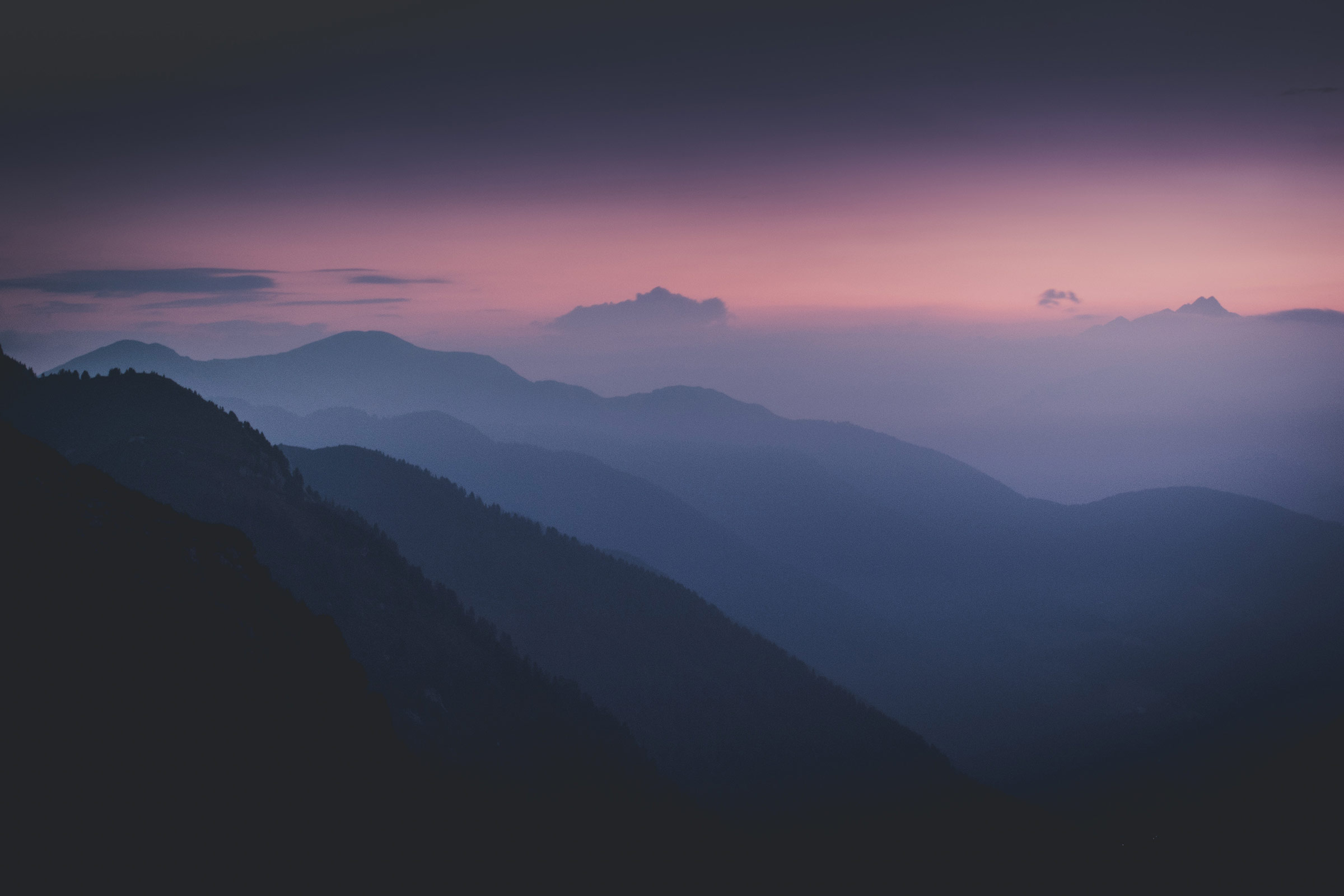


Asturias, Spain
España was and forever will be a turning point in my life. Most moments when a person leaves their native patria are.
I was confronted with being on my own in a country where no one spoke my native language, in a space where it was easy for me to understand what was going on, but difficult for me to communicate back my understanding. This was probably the most frustratingly beautiful experience of my life: being able to understand, but unable to effectively communicate my understanding.
I grew up with Spanish as a familiar language. It was the language of my grandmother and mother. But because English is the language of power in America, I heard Spanish, but never thoroughly learned it from my family. I gravitated towards it because it was familiar, but struggled with it because I understood the tones and non-verbal cues and simultaneously couldn’t directly translate individual words into specific meanings. Because of this, I struggled in every academic Spanish class from Freshman year in High School to Sophomore year in College.

Then, I left the country.
Mexican Spanish and Castellano are cousins.
Distant. Cousins.
I could tell you all about the difficulty of language differences, navigating cobblestone streets without prominent street signs, ordering food, eating all of said food, making friends, using public transit, going to museums and rock concerts. But instead, I’ll leave you with these two memories:
Los Picos de Europa
We boarded the bus to León in the middle of the day under the cover of the blue bus station awnings. We were going to take a tour of the city for the weekend and be back in the city of Oviedo by Monday for classes at University. The bus was similar to a standard inter-city greyhound with hard plastic seats upholstered in an early-nineties cloth pattern like something out of the Prince of BelAir. It was much cleaner and fresher than any other public transit bust I had been on in the states, so I was comfortable. I took the window seat with my cloth-sack backpack in my lap.
We had been in Spain for about a month, so traveling on public transit wasn’t a big deal anymore. We were comfortable listening to the conversations around us, whispering to each other in Spanglish. Somewhere in our conversation that carried us along the motorway from Oviedo to León, we stopped talking. We stopped not because we were tired, or because we had run out of things to say. We stopped because of the view outside the bus windows.
It was as if someone had taken the Sawtooth mountains of Idaho and transported them to sit before us in all of their splendor. In a word, it was breathtaking.
And I never had the chance to explore them any closer than that bus ride.
Los Peregrinos
There is a pilgrimage culture in northern Spain. It is marked by the Camino de Santiago or the Way of St. James. The Camino begins in the south of France and ends at Santiago de Compostella at the end of the Iberian Peninsula and the mouth of the Mediterranean.
Much like the Pacific Crest Trail and Appalachian Trail in the United States, completing the Camino is a physical feat in and of itself. However, the culture of the Camino is unlike anything I have had the privilege to glimpse. Not only does the Camino meander through rugged terrain and small villages, but it is unequivocally linked to a spiritual trek and community transformation for the Peregrino (Pilgrim).
Peregrinos are humbly welcomed into the communities along the Camino because of the very nature of the pilgrimage itself. Everyone is welcome to walk the Camino, but the culture surrounding it is one of quite reflection, humility, thankfulness, and spiritual journeying.
I know, one day, I will return.

Final Reflections
My time in Asturias and northern Spain taught me so much about staying in one place, living in another culture, and experiencing the world around me slowly, in the moment. I hope to experience the world and wilderness the same way: slowly and completely.
You must be logged in to post a comment.